
Not all wall damage is created equal. A small crack might be a quick fix, but lingering water stains or large holes can signal deeper problems. Homeowners often grapple with one big question: should you patch up the problem or tear out and start fresh? The best decision depends on the type and extent of your drywall woes.
What Are Drywall Repair and Full Replacement?
Defining Drywall Repair: When and How It’s Done
Drywall repair targets isolated issues, think nail holes, dents, minor cracks, or even patching after electrical work. Professionals use joint compound, tape, and sanding to blend repairs seamlessly into your existing wall. Repairs are most effective when the underlying wall structure is sound and the damage is limited to the surface.
Understanding Full Drywall Replacement: Scope and Process
Full replacement means removing the existing drywall completely, often back to the studs. This approach is necessary if the wall is extensively damaged, sagging, moldy, or if repairs would be more costly than starting over. After old drywall is removed, new sheets are installed, finished, and prepped for painting.
Common Causes of Drywall Damage: From Water to Impact
Drywall issues can emerge from everyday life. Accidental bumps from furniture, leaky roofs, plumbing issues, or even humidity can leave their mark. Water is particularly destructive, often leading to hidden mold or soft, crumbling walls.
How to Assess the Extent of Your Drywall Damage
Signs That Indicate Simple Repairs Will Suffice
Small holes (such as those left by picture hooks), fine cracks, and minor surface scratches generally call for basic repairs. If your wall feels sturdy and the damage is shallow, professional patching should restore it to its former state.
Warning Signals for Considering Full Replacement
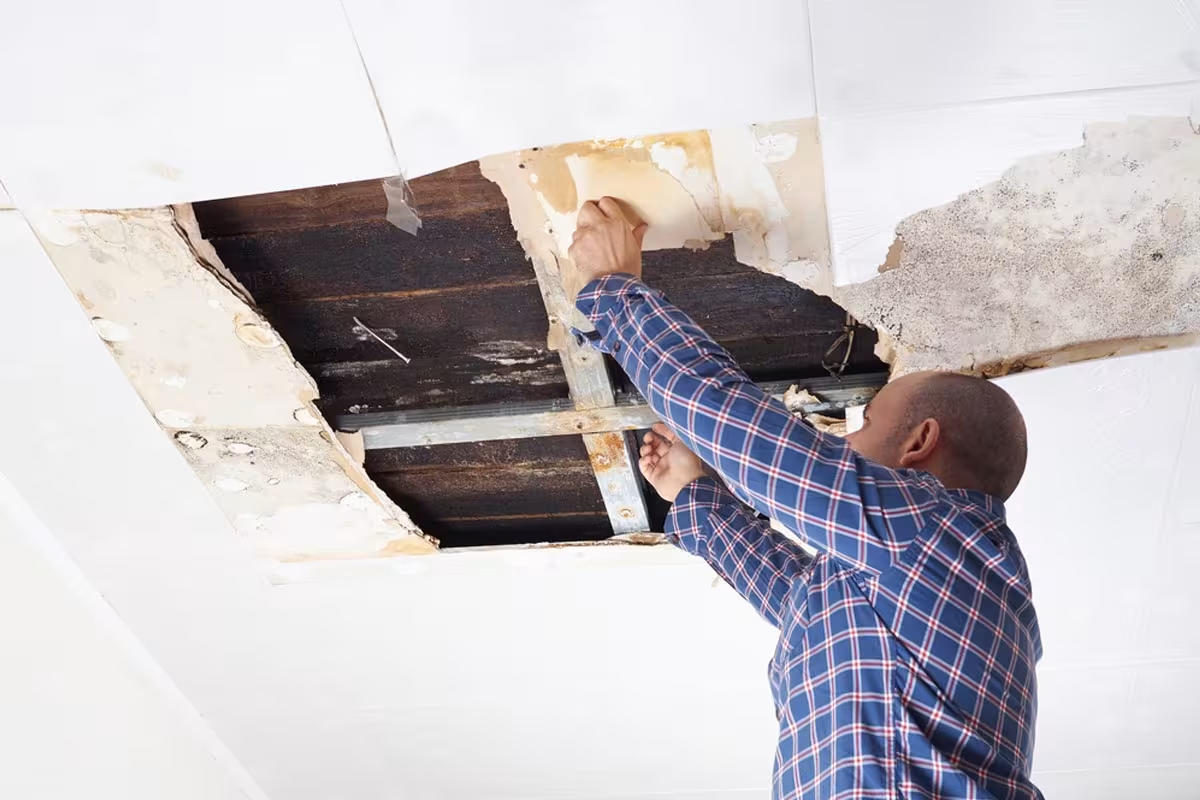
Large holes, deep cracks running across panels, spongy or sagging areas, and visible mold all suggest problems beyond the surface. Water stains that keep returning after cleaning also point to ongoing leaks or moisture issues that may have compromised the wall’s integrity.
Tools and Methods for Inspecting Your Walls
A flashlight and a keen eye are your best tools. Press gently on suspect areas to test for softness or give. Use a moisture meter near water stains to check for hidden damage. If you uncover mold or a musty smell, it is wise to consult a professional.
What Are the Benefits and Drawbacks of Drywall Repair?
Cost and Time Efficiency of Repairs
Repairs are quick and affordable. Most can be completed in a few hours, making them perfect for busy households. You also avoid the mess and disruption of demolition.
Limitations: When Repairs Might Be Temporary
However, repeated patching in the same area can indicate an underlying problem. Superficial fixes may mask issues like persistent leaks, which will only worsen over time.
Impact on Home Aesthetics and Structural Integrity
When done well, repairs blend in easily. But mismatched textures or colors from a rushed job can leave a wall looking uneven. Structural issues, if unresolved, could affect more than just looks.
When Is Full Drywall Replacement the Better Option?
Long-Term Durability and Structural Safety
Replacement delivers peace of mind. All compromised material is removed, and you start with a clean slate. This is crucial after water damage, as it ensures that mold and rot are fully addressed.
Addressing Severe or Widespread Damage
If your home has suffered from flooding, extensive cracks, or general neglect, replacing drywall is often the safest route. It allows for the inspection of what’s behind the walls and corrections to insulation or framing if needed.
How Replacement Enhances Home Value and Appearance
Fresh drywall means flawless walls, which can dramatically improve interior aesthetics. For homeowners planning to sell, a total replacement may boost property value and appeal.
What Are the Cost Differences Between Repair and Replacement?
| Service Type | Typical Cost (per sq. ft.) | Average Project Range |
|————————-|—————————|———————-|
| Drywall Repair | $2 – $6 | $150 – $600 |
| Full Replacement | $4 – $12 | $900 – $2,500+ |
Hidden Costs to Consider in Both Options
Repairs may become costly if hidden issues surface. Replacement can reveal problems with insulation, electrical wiring, or framing that require additional spending. Always ask for a detailed estimate that includes potential contingencies.
How Do Professional Services Approach Drywall Repair vs. Replacement?
What to Expect from a Skilled Drywall Repair Contractor
Professionals will inspect the damage, explain your options, and match textures and colors for a nearly invisible finish. Quality contractors, like those at BuildRex house painting, offer free estimates and tailor solutions to your specific needs.
The Full Replacement Workflow Explained by Experts
Experts start by protecting your floors and furnishings, then remove the old drywall. Once the framing is inspected and any necessary repairs are made, new sheets are installed, taped, and sanded for painting. The process is more involved but results in lasting quality.
Questions to Ask Your Contractor Before Deciding
Consider asking: Is the damage likely to return? Are there signs of moisture behind the wall? Is a repair just a stopgap? Understanding the long-term impact of your choice is key.
How Does Painting and Finishing Tie Into Your Drywall Project?
Choosing Paint Types That Complement Repairs or Replacement
The right paint enhances walls and protects repairs. Easy-to-clean options are perfect for high-traffic areas or kids’ rooms, while brighter hues can bring life to north-facing spaces.
Importance of Surface Preparation for Lasting Results
Proper surface prep, filling, sanding, priming, is essential for a smooth, durable finish. Skipping these steps can cause paint to peel or crack.
Enhancing Interior Design Through Color and Texture
Thoughtful choices in color and finish elevate your space beyond a simple repair. Matching existing décor or updating it can transform the entire room.
How to Make the Final Decision: Repair or Replace?
Evaluating Your Home’s Needs and Budget
Assess the damage, consider your long-term plans, and weigh the costs. Minor flaws? Repair is ideal. Widespread issues? Replacement is worth the investment.
Balancing Immediate Fixes with Long-Term Solutions
It is tempting to choose the quickest fix, but investing in a comprehensive solution now can prevent headaches later.
Tips for Scheduling and Planning Your Drywall Project
Get multiple estimates, plan around your schedule, and factor in drying times for repairs and paint. Working with trusted professionals can make all the difference in the quality and durability of your walls.
Ultimately, the choice between drywall repair and full replacement comes down to more than just cost. It is about preserving your home’s beauty, safety, and value for years to come.