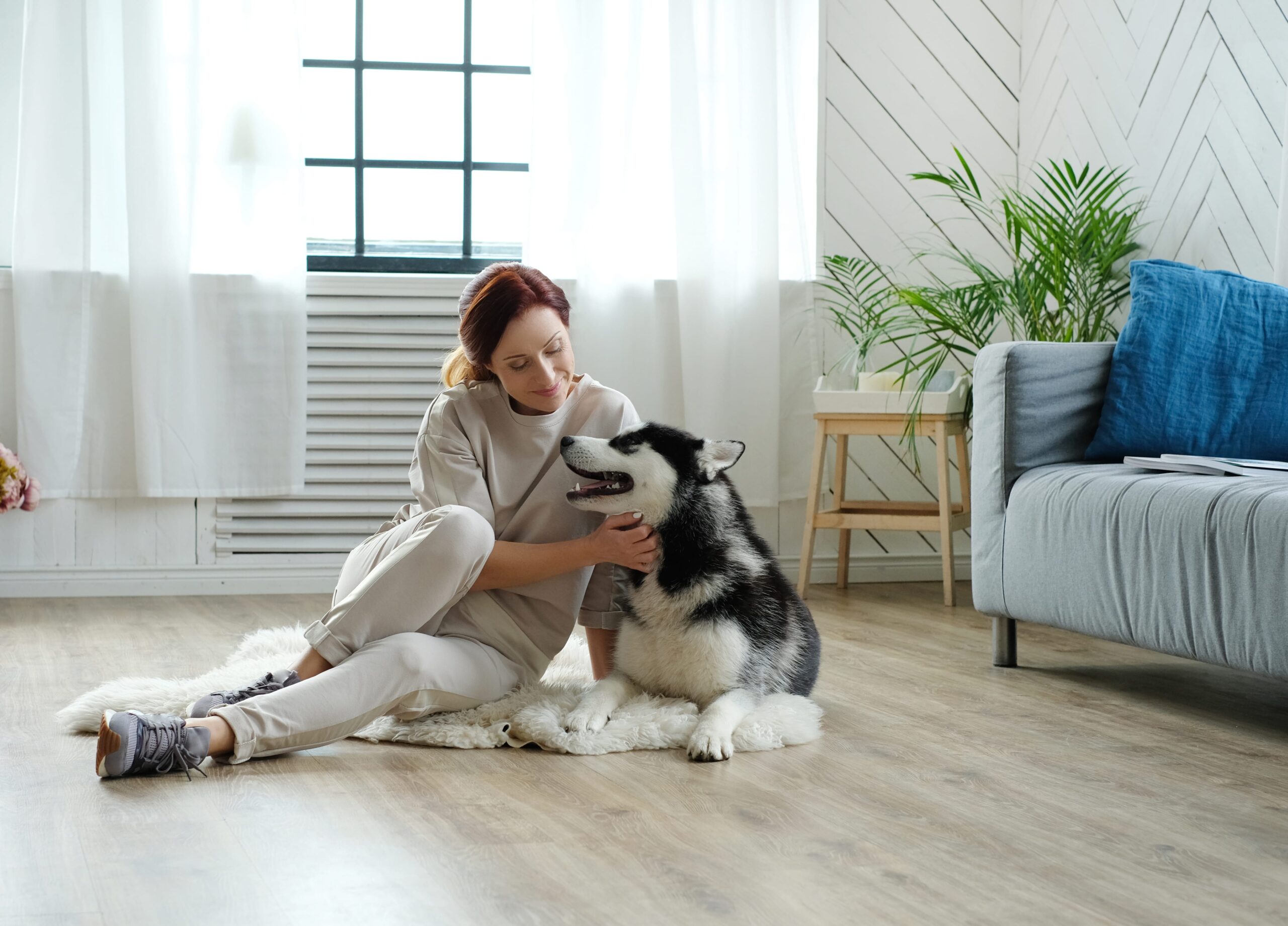

Pets make a home feel alive and full of energy. They also challenge flooring. Claws, nails, spills, and frequent foot traffic all test durability. When you share your space with pets, choosing hardwood floors becomes more than a design decision. It becomes a lifestyle decision. This guide gives you practical, actionable advice for selecting hardwood floors that suit pet families. You will learn about species strength, finishes, installation types, maintenance practices, and how to avoid common pitfalls.
WHY PET-FRIENDLY HARDWOOD MATTERS
Pets bring scratches, damp paws, and spills. Hardwood must handle nails, claws, and moisture. Without the right wood and finish, floors wear quickly. With the right choice, floors stay beautiful while you care for your pets. This balance improves your daily living and your home’s long-term value.
TOP HARDWOOD SPECIES FOR PET HOMES
Choose wood species with high hardness ratings and strong grain. These woods resist dents, scratches, and wear from activity.
White oak stands out. It offers a balanced hardness and durable grain. It resists dents from pets jumping and running. White oak fits well in living rooms, kitchens, and hallways where pets move the most.
Hickory ranks among the hardest domestic woods. Its grain pattern hides small scratches. Families with dogs and active pets often prefer hickory. The natural contrast and texture reduce visible wear over time.
Maple provides a smooth, tight grain. It handles wear but shows scratches more easily than textured woods. If you like clean, bright interiors and your pets have trimmed nails, maple can still perform well.
Ash offers moderate hardness and light tone. It balances style and function for pet homes. It suits open floor plans where natural light helps show less wear.
Avoid soft species like pine or fir. These woods dent and scratch easily, increasing maintenance and reducing floor life.
ENGINEERED WOOD VS SOLID WOOD FOR PET HOMES
Solid hardwood remains popular for its ability to refinish multiple times. With pets, refinishing lets you restore floors as wear accumulates. Solid wood suits homes where you plan long-term flooring maintenance.
Engineered hardwood offers better stability in moisture changes. Basements, lower floors, and rooms near entryways face more humidity and water from pet paws. Engineered wood resists expansion and contraction better than solid wood in these conditions.
Choose engineered wide-plank flooring with a thick wear layer if you prefer low maintenance. Solid wood suits homes where you plan periodic refinishing and long-term ownership.
BEST FINISHES AND TEXTURES FOR PET HOMES
Finish and texture influence scratch visibility and upkeep. For pet homes, hard finishes and subtle textures work best.
UV-cured aluminum oxide finishes resist scratches and wear from claws and nails. These finishes provide durable protection when pets roam freely.
Matte or satin sheens hide dust, paw prints, and small scratches better than high gloss. Matte finishes avoid glare and maintain a consistent look in active homes.
Textured surfaces like wire-brushed or hand-scraped wood hide surface damage and add grip. These finishes help prevent slipping on smooth floors and make scratches less visible.
Thin, smooth finishes make scratches more visible. Avoid glossy smooth options if you expect claw activity.
BEST COLORS AND TONES FOR PET HOMES
Color influences how dirt, dust, and pet hair show on wood floors.
Medium to medium-dark tones work well. They hide dirt, dust, and pet hair more effectively than very light or very dark floors.
Mid-tone oak, hickory with natural contrast, or ash with slight warmth offer balanced appearance. These tones mask light fur and dust without showing every speck.
Very dark floors highlight light pet hair. Light floors show dirt and stains more easily. Avoid extremes in color when you expect regular pet activity.
INSTALLATION PATTERNS FOR PET-FRIENDLY HARDWOOD
Wide plank flooring works well in pet homes. Fewer seams mean fewer edges for claws to catch.
Consistent straight-lay patterns reduce noise and improve stability. Pets running across the floor will feel steadier under wide planks.
Install proper underlayment to absorb sound. Pets running and playing add stress to floors. Underlayment reduces impact and muffles noise.
Consider engineered wood for basement or ground-floor rooms. Pet accidents and moisture exposure make engineered cores a safer option in these zones.
HOW TO CLEAN AND MAINTAIN HARDWOOD FLOORS WITH PETS
Sweep or vacuum daily to remove grit and pet hair. Dirt and small stones scratch wood when animals run inside.
Use a damp microfiber mop for deeper cleaning. Avoid wet mops that saturate wood. Wipe spills immediately to prevent water damage.
Place mats near entrances and pet bowls. These catch moisture and reduce wear in high-traffic zones.
Trim pet nails regularly. Short nails reduce scratches dramatically. Keep paw pads free of debris.
Use soft pads under furniture legs. Beds, crates, and tables moved by pets can scratch floors without padding.
Refinish floors when wear becomes visible. Solid wood allows multiple refinishes. Engineered floors last longer with good finishes.
RED FLAGS AND MISTAKES TO AVOID IN PET HOMES
Avoid soft woods like pine, cedar, or fir. They dent easily and look worn quickly with pet use.
Avoid glossy finishes. Gloss highlights scratches, paw prints, and dust heavily. Glossy surfaces age poorly in pet homes.
Avoid thin wear layers on engineered wood. Thin wear layers resist only light wear. Expect scratches and faster wear with heavy pet use.
Avoid skipping underlayment or acclimation before installation. Floors may warp or shift with moisture changes and pet-related spills.
Avoid mixing hardwood with many floor types in one home. Different floors wear differently and create an inconsistent appearance.
WHEN WATERPROOF OR WATER-RESISTANT FLOORING HELPS
Rooms near doors, laundry rooms, mudrooms, and basements may face water from pets. Waterproof hardwood or water-resistant engineered wood gives added protection here.
Use waterproof floors where accidents or wet paws occur often. This reduces stress from spills or outdoor water tracked inside.
Still follow proper cleaning habits and avoid prolonged moisture exposure even with waterproof options.
HOW TO CHOOSE THE RIGHT HARDWOOD FLOOR FOR YOUR PET HOME
Start by listing your priorities. If you prefer long-term refinishing and natural wear, choose solid wood like white oak or hickory.
If you value stability and low maintenance, choose engineered hardwood with a thick wear layer and durable finish.
Select matte or satin finishes with texture. These survive pet traffic best. Choose medium-toned wood to hide hair and dirt naturally.
Request samples. Lay them in your home under daytime and evening light to check their appearance. Compare how they reveal pet hair, scratches, and dust.
Talk to flooring professionals about expected wear. Flooring pros often work with pet households. Their experience helps anticipate real-world results.
WHY CHOOSING WELL MATTERS FOR YOUR HOME’S VALUE
Proper hardwood increases resale value. Homes with durable pet-friendly floors attract buyers who own pets or plan families. Buyers appreciate floors that look good under real life conditions.
Poor flooring reduces appeal. Visible scratches or water damage create negative impressions. Floors tell stories. Choose wood that shows care and longevity.
FINAL THOUGHTS ON HARDWOOD FOR PET HOMES
Living with pets and hardwood does not require compromise. Choose strong species, durable finishes, and maintenance habits that suit an active life. White oak and hickory deliver strength. Matte finishes and textured surfaces hide wear. Medium tones mask dirt and hair. Engineered wood suits moisture-prone zones. Clean frequently, manage nail and paw care, and protect furniture contact. With proper choices, your hardwood floors support pet life while keeping your home stylish and lasting.