
1. INTRODUCTION
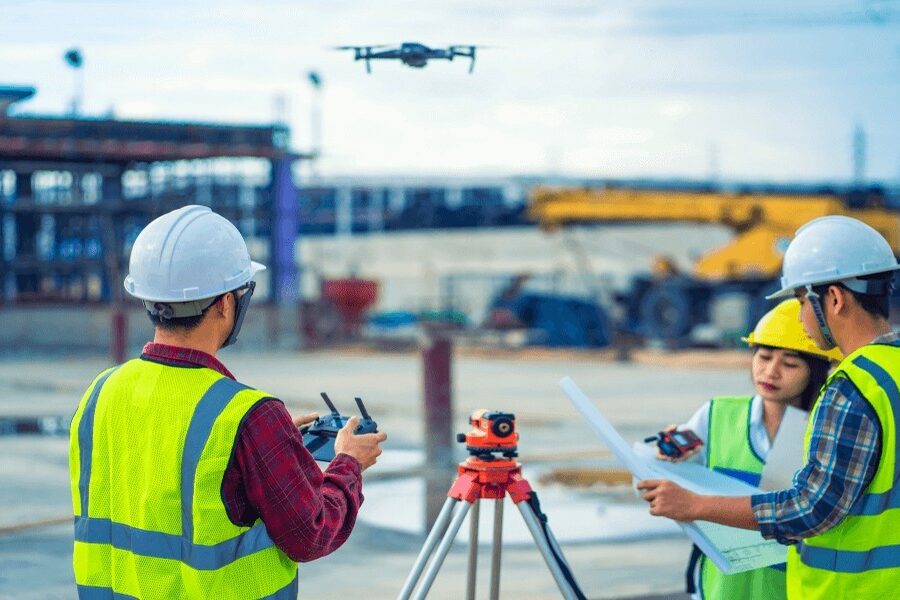
The construction site is considered one of the most fire-prone locations. This is due to the presence of flammable materials like wood, fuels, dust, and equipment, while the fire system may not be fully operational yet. The sprinklers are not yet hooked up and alarms have not been activated. Fire watch is the answer during this hazardous phase. The article discusses how the fire watch personnel manage risks in such a situation.
Because active construction creates an environment where hazards change on a daily basis, relying on standard safety protocols alone is rarely enough. Engaging professional fire watch services ensures that trained personnel are physically on site to monitor high-risk zones, enforce strict hot-work precautions, and respond immediately if an emergency develops.
2. WHY CONSTRUCTION SITES FACE HIGHER RISK
There are many potential ignition sources on construction sites. Tools for welding, cutting, heat generation, and electrical equipment are commonly found on construction sites. Building materials like wood, thermal insulation, and packing material can catch fire easily. Employees work at different times and leave unoccupied spaces overnight.
The fire in a building under construction will spread very quickly because there are no walls or doors to stop its propagation. The fire alarm system will not be operational yet.
3. WHAT A FIRE WATCH GUARD DOES ON SITE
There is a guard who performs a routine inspection in this site. The guard inspects for any small fire, smoldering debris, and improper storage of flammable materials. Frequent inspections are conducted for fuel tanks, cylinders, and garbage heaps.
Hot works receive extra attention from the guard. Sparks may remain undetected even after the completion of the hot work. The guard inspects the area where hot work is completed to ensure that there is no fire breakout.
Moreover, the guard ensures that fire extinguishers are available and that emergency access road is not blocked.
4. WORKING WITH THE SITE TEAM
Fire Watch Company should cooperate with the project manager and safety officer. The guards are aware of the site layout, know the location of water supplies, and are familiar with the most hazardous zones. They report any issues at the end of their shifts for the correction of issues prior to work beginning the next day.
The guards also assist in regulating the people who enter the site. It reduces the likelihood of theft and unintentional or intentional starting of a fire.
5. MEETING CODE AND INSURANCE RULES
There are some cases where construction sites need to have a fire watch according to certain local regulations. This may also be required by an insurance company in some cases. Log books are documentation that prove the construction site was under fire watch. This could save the owner in the case of any claims.
6. WHEN THE WATCH CAN END
A fire watch may go on until the sprinkler and alarm system is put up and certified by the fire department. This can be done after weeks or months depending on how big the construction project is. This means that the fire watch has to be accounted for from the very beginning of the project.
7. CONCLUSION
Construction projects have a very high possibility of catching fire, and it is most vulnerable when the systems are not up and running. Fire watches provide security to a construction project during this time period. The guards walk around, observe any hot works, ensure that there is an unobstructed exit, and document everything they observe. An early fire watch saves money and time for the project.