
Clean water is something most households take for granted, yet the quality of water flowing through taps can vary significantly. From unseen impurities to unpleasant tastes, untreated water may not always meet the expectations of modern living. This is where water filtration systems come into focus, offering a practical solution for improving water quality at home.
As more homeowners become aware of health, environmental, and cost considerations, investing in water filtration systems is increasingly seen as a sensible long-term choice. Beyond just improving taste, these systems contribute to better health, protect household appliances, and support a more sustainable lifestyle.
Understanding What Water Filtration Systems Do
Water filtration systems are designed to remove contaminants, impurities, and unwanted substances from water. Depending on the type of system, they can target chlorine, sediments, heavy metals, and even microscopic organisms.
Modern homes often rely on municipal water supplies, which are treated but may still contain residual chemicals or minerals. Filtration systems act as an additional layer of protection, ensuring that water used for drinking, cooking, and cleaning meets a higher standard of quality.
Improved Health and Wellbeing
One of the most important advantages of installing a filtration system is the positive impact on health. Clean water is essential for daily hydration and overall wellbeing.
Filtered water can help reduce exposure to substances such as chlorine and certain heavy metals. While these may be present in small amounts, consistent consumption over time is not ideal. By improving water purity, filtration systems support safer drinking water for the entire household.
For families with children or elderly members, this added layer of safety can be particularly reassuring.
Better Taste and Odour
Unpleasant tastes and odours in tap water are often caused by chlorine or organic matter. This can make drinking water less appealing and even affect the flavour of food and beverages.
A well-installed filtration system removes these elements, resulting in water that tastes cleaner and fresher. Many homeowners notice an immediate difference when using filtered water for tea, coffee, or cooking.
Over time, this simple improvement can encourage better hydration habits, as people are more likely to drink water that tastes good.
Protection for Household Appliances
Hard water and impurities can take a toll on household appliances such as kettles, washing machines, and dishwashers. Mineral build-up can reduce efficiency and shorten the lifespan of these appliances.
By filtering out sediments and certain minerals, water filtration systems help:
- Reduce scale build-up in appliances
- Improve the efficiency of heating elements
- Extend the lifespan of plumbing fixtures
- Lower maintenance and repair costs
This not only protects your investment but also ensures that appliances continue to function effectively over time.
Environmental Benefits
Installing a home filtration system can significantly reduce reliance on bottled water. Plastic waste from single-use bottles remains a major environmental concern.
By switching to filtered tap water, households can:
- Cut down on plastic consumption
- Reduce carbon emissions linked to bottled water production and transport
- Support a more sustainable lifestyle
This shift may seem small, but over time it contributes to a meaningful reduction in environmental impact.
Cost Savings Over Time
While there is an upfront cost associated with installing a filtration system, it often proves cost-effective in the long run.
Regularly purchasing bottled water can become expensive, especially for larger households. A filtration system provides a continuous supply of clean water at a fraction of the ongoing cost.
Additionally, by protecting appliances and reducing plumbing issues, homeowners can save on maintenance and replacement expenses.
Convenience and Accessibility
Having access to clean, filtered water directly from your tap is highly convenient. There is no need to store bottles, carry heavy packs of water, or worry about running out.
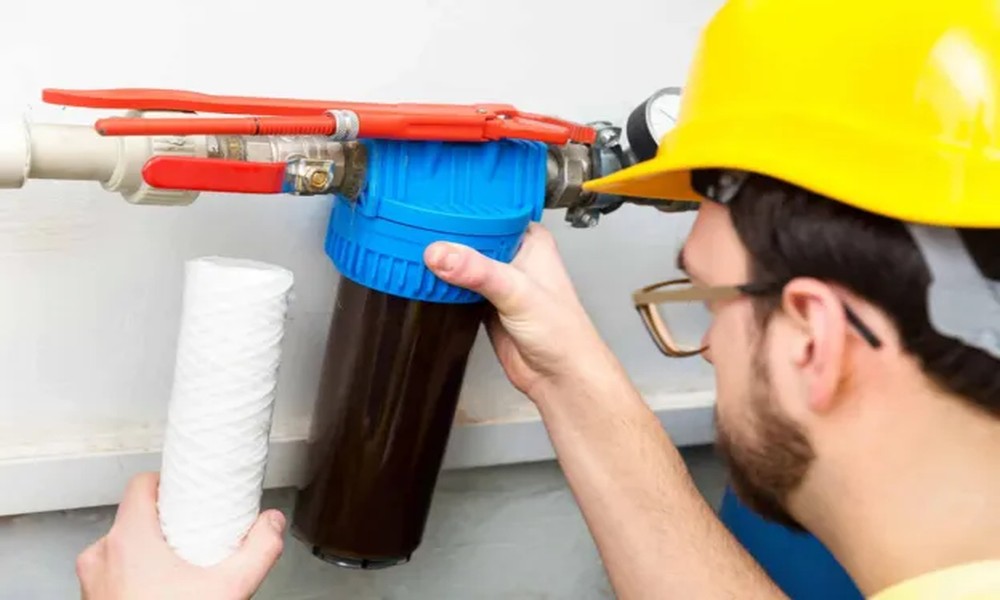
Modern systems are designed to be user-friendly, with minimal maintenance requirements. Many units only require periodic filter changes, making them easy to manage within a busy household.
This convenience enhances everyday living, making clean water readily available whenever needed.
Types of Filtration Systems to Consider
There are several types of filtration systems available, each suited to different needs:
- Activated carbon filters: Effective for removing chlorine and improving taste
- Reverse osmosis systems: Capable of removing a wide range of contaminants
- UV filtration systems: Designed to eliminate bacteria and microorganisms
- Whole-house systems: Provide filtered water throughout the entire home
Choosing the right system depends on your water quality, household size, and specific requirements.
Enhancing Overall Home Value
Installing a filtration system can also add value to your property. Modern buyers increasingly look for homes with upgraded features that promote health and sustainability.
A home equipped with a reliable filtration system demonstrates attention to detail and a commitment to quality living. It can be seen as a practical upgrade rather than a luxury feature.
In competitive property markets, such additions can make a noticeable difference.
Conclusion
Installing water filtration systems in modern homes is a practical step towards improving water quality, supporting health, and enhancing everyday convenience. From better taste and reduced contaminants to long-term cost savings and environmental benefits, the advantages are clear.
As households continue to prioritise sustainability and wellbeing, filtration systems offer a reliable and efficient solution. Whether for drinking, cooking, or general use, cleaner water contributes to a more comfortable and healthier home environment.