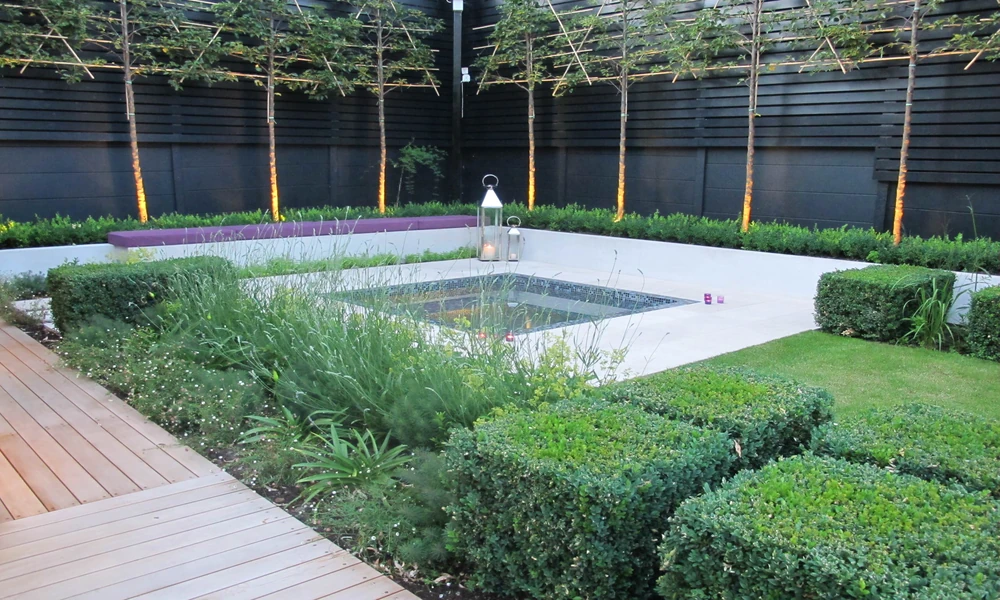

A new patio normally feels like an upgrade. The garden looks cleaner, the furniture finally sits level and muddy patches disappear.
Then, two or three winters later, the fence starts causing trouble.
I’ve seen this more times than you’d expect. The fencing itself wasn’t necessarily poor. The problem started when landscaping changed everything happening around the bottom of it.
Patios get raised. Drainage routes disappear. Soil is pushed against gravel boards. Water that once soaked naturally into the garden starts running towards the boundary instead.
By the time homeowners start searching for fence repair near me because posts are moving or timber is rotting, nobody immediately connects the problem with the lovely new paving installed three years earlier.
Sometimes that’s exactly where I’d start looking.
Raising Ground Levels Can Create Problems
This is probably the most common mistake.
A landscaper installs a patio and raises the finished level by 50mm or 100mm.
It doesn’t sound much.
Against fencing, it can matter.
I’ve visited properties where paving has been laid almost halfway up timber gravel boards. On worse jobs, paving or mortar physically touches the fence panels.
Timber needs space around it.
If you permanently trap moisture against the bottom of a fence, you’re shortening its life.
Pressure treatment helps. It doesn’t turn wood into plastic.
The same applies to timber posts. Building paving tightly around them can create little pockets where water and organic muck collect.
It looks beautifully finished on day one.
Give it five wet winters.
Water Has To Go Somewhere
Before laying a patio, rain falls onto soil and gradually drains away.
Cover that same area with paving and you’ve changed the way water moves through the garden.
This isn’t automatically a problem. A properly designed patio should deal with surface water sensibly.
The trouble starts when nobody really thinks about where that water ends up.
I’ve stood in gardens during heavy rain and watched water run directly towards a fence line.
That’s not ideal.
If you’ve got timber posts sitting in heavy Leeds clay, it’s worse. Clay already holds water well. Constantly feeding more into the same area keeps the ground saturated around the posts.
Then summer arrives and everything dries out.
Clay contracts.
Autumn rain returns.
It expands again.
That repeated movement is hard on fencing.
Patios Can Hide Existing Problems
There’s another issue people rarely consider.
Once paving surrounds a fence post, inspecting what’s happening below ground becomes difficult.
Before landscaping, you might notice soil pulling away from the concrete footing or water pooling around the base.
Afterwards, everything looks tidy.
The problem hasn’t necessarily gone away. It’s just underneath the patio.
I’ve attended jobs where removing a failed fence post meant cutting paving because the slabs had been laid directly around it.
That’s frustrating for everyone.
The fence repair becomes more expensive and there’s a risk of damaging paving that may no longer be available in exactly the same colour or finish.
If you’re planning landscaping and fencing together, think about future access.
Fences don’t last forever.
Get The Fence Work Done First
If both your patio and fencing need replacing, I’d nearly always deal with the fencing first.
There are practical reasons.
Fence installation involves digging, concrete, soil removal and quite a lot of mess. Doing that after somebody has installed expensive porcelain paving makes everyone’s job harder.
It also allows the fencing contractor and landscaper to agree finished levels before either starts.
That conversation is worth having.
Good fence installation should take surrounding ground conditions into account. Likewise, good landscaping should respect the fencing structure already in place.
The two jobs affect each other.
Treating them as completely separate projects is where problems begin.
Gravel Boards Need Room To Work
Gravel boards aren’t decorative trim.
Their job is to keep the main fence panels away from the ground and take the punishment along the bottom of the boundary.
They work well.
But only if they’re installed sensibly.
If a new patio raises the ground almost to the top of a timber gravel board, you’ve effectively removed much of its purpose.
Soil, leaves and water start collecting against the fence panel above.
Concrete gravel boards cope better with direct moisture, but even then I’d want to understand where surface water is travelling.
A concrete board won’t rot.
The timber posts, rails or panels around it still might.
Raised Beds Can Be Even Worse
Patios aren’t the only culprit.
Raised planting beds built against fencing cause some of the worst damage I see.
Someone installs sleepers along the boundary and fills the area behind with soil.
Looks great.
Unfortunately, the existing fence now has wet soil sitting against it permanently.
I’ve removed panels where the lower boards were completely rotten on the garden side while appearing reasonably healthy from next door.
The moisture had nowhere to escape.
If you’re building raised beds near fencing, create a proper retaining structure rather than expecting the fence to hold soil back.
A garden fence is not a retaining wall.
I’ve said that on jobs more times than I can remember.
Artificial Grass Changes Drainage Too
Low-maintenance gardens have become hugely popular.
Porcelain paving.
Artificial grass.
Composite fencing.
Raised planters.
Very little exposed soil.
They photograph brilliantly.
But cover enough natural ground and water management becomes increasingly important.
Artificial grass itself can drain perfectly well when the base has been prepared correctly. Poor installations are another matter.
I’ve seen water travel across badly prepared bases and collect against fence lines because that was the lowest point available.
Again, water doesn’t disappear just because the garden looks tidy.
It finds somewhere to go.
Watch What Happens During Heavy Rain
Here’s a simple bit of advice that costs nothing.
Next time it rains heavily, go outside.
Not when it’s drizzling.
Proper rain.
Watch the garden for five minutes.
Where does water travel?
Does it run away from the house?
Does it collect against the fence?
Are there puddles around posts?
Does water pour from paving into one narrow border?
You can learn more from those five minutes than from staring at a dry garden all summer.
One thing I see often on local jobs is drainage that technically works but sends virtually all the water towards one section of boundary.
That area then deteriorates faster than everything around it.
Timber Posts Need Air
There’s a temptation when landscaping to make every junction look perfectly finished.
That can work against timber.
Leaving sensible clearance around vulnerable areas allows airflow and makes inspection easier.
Don’t bury timber unnecessarily.
Don’t pile decorative stone around posts simply because it hides the concrete.
And don’t keep raising soil levels every time borders get refreshed.
Gardens gradually change.
A little compost this year.
More mulch next spring.
New decorative bark after that.
Ten years later the ground can sit noticeably higher against the fence than when it was installed.
Nobody deliberately caused the problem.
It just crept up.
Composite Fencing Doesn’t Solve Bad Drainage
Composite fencing can be a sensible choice for modern landscaped gardens.
It works particularly well visually alongside porcelain paving and contemporary planting.
But people sometimes assume paying the higher composite fencing cost removes all the traditional fencing problems.
It doesn’t.
Composite boards won’t rot like timber.
Posts still need proper foundations.
Water still needs managing.
Installation levels still matter.
The system also needs correct allowances for expansion and contraction.
An expensive fencing product installed into badly designed landscaping is still badly designed landscaping.
Materials can’t compensate for everything.
Think About The Gate Before Laying Paving
Gates are another area where small level changes create annoying problems.
I’ve seen brand-new paving make existing gates unusable because the finished surface ended up slightly higher than expected.
Suddenly the gate catches.
Someone trims the bottom.
Then the post moves slightly and it catches again.
If you’re replacing a patio, check gate clearance before work begins.
Also consider where water will sit around the hinge post.
Gate posts already carry more mechanical load than ordinary fence posts. Keeping them stable matters.
If a gate that previously worked perfectly starts dragging after landscaping, don’t automatically blame the hinges.
Check the levels and the post first.
Landscaping Should Work With The Boundary
There doesn’t need to be a battle between attractive landscaping and durable fencing.
The best gardens have both.
They work because somebody thought about how the different parts interact.
Where will water drain?
How high will the finished paving sit?
Can fence posts still be replaced?
Will raised beds touch timber?
Does the gate have enough clearance?
What happens after ten years of planting and soil buildup?
None of these questions is particularly exciting.
They’re still worth asking.
Homeowners often spend far more on patios than fencing, so naturally the attention goes towards paving colours, patterns and furniture.
The boundary becomes an afterthought.
Then a few years later they’re searching for fencing contractors near me because sections that were perfectly healthy before the landscaping work are starting to deteriorate.
A Small Gap Can Save A Big Repair
After decades around fencing, I’ve become suspicious of garden designs where everything touches everything else.
They look neat.
Sometimes too neat.
Fencing generally benefits from separation, airflow and somewhere for water to escape.
You don’t need huge drainage channels around the whole garden.
Often it’s simply a matter of sensible levels and leaving vulnerable timber clear.
If you’re planning a new patio this autumn, have a proper look at the boundary before the first slab goes down.
Check the posts.
Check the gravel boards.
Work out where the rain currently goes.
Then make sure the new garden doesn’t accidentally send all of it somewhere worse.
A patio should make a garden easier to enjoy.
It shouldn’t quietly start the countdown on the fence surrounding it.