
Introduction
Choosing an outdoor shade structure requires determining its primary function. Do you require total protection from heat and rain (the patio cover), or open, filtered sunlight and a visually appealing structure (the pergola)? The decision determines how the building responds to light, climate, and your house’s architectural design. To help you decide which is the better long-term improvement for your home, this article examines construction, utility, and aesthetic effects in the pergola and patio debate.
Understanding the core trade-offs between open framework and full overhead protection is essential before committing to any major installation. Evaluating the Pergola Vs Patio Cover Shade debate comes down to how much climate defense you need versus the aesthetic style you want to achieve for your yard. While one option focuses on partial sunlight and architectural flexibility, the other acts as an extension of your roofline to deliver complete shelter from harsh heat and unexpected downpours.
Impact on looks and architecture
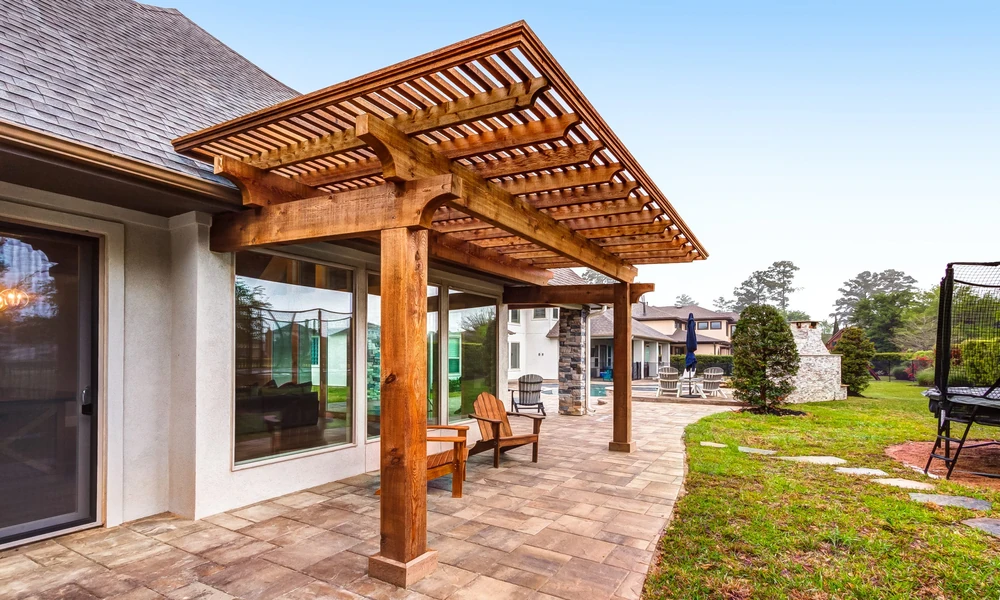
- Pergola: A fashionable architectural feature that gives an impression of openness and airiness. It increases altitude without affecting the sky’s view.
- Patio cover: When attached, it has a more bulky and long-lasting appearance and functions as a solid enhancement of the house’s existing rooftop or dimensions.
Usability and adaptability
- Pergola: Provides a significant amount of shade design modification choices. You can simply add shade fabrics or movable roofs. Its primary purpose is to create space and provide moderate comfort.
- Patio Cover: Very useful for outdoor living in any weather. However, structural modifications are often challenging and require adjustments to the structural roof framework.
Coverage from weather and shade
- Pergola: With its open roof, it offers some purified shade. When it rains, the area is completely exposed because it provides minimal or no rain defense.
- Patio Cover: Because of its sturdy roof, it offers significant, usually complete defense from the sun, UV radiation, and rainfall. The space below provides optimal shade and remains dry.
Scale
Patio cover
- Size: Customized and compact.
- Durability: Temporary and movable. It is made to be easily transported or disassembled and positioned over one location, such as a table or a dining area.
- Use: Provides brief spot shading. During strong winds, it must be kept safe or secured inside.
Pergola
- Size: Broad and long-term.
- Durability: Anchored and fixed. It takes up many square feet of space or patio area and creates an entire outdoor zone.
- Use: Provides a designed shade for a living space. It is built in a way to handle normal climate conditions and stay strong.
Setting up and planning
- Choice summary: The pergola is the ideal option if you want filtered light and traditional architectural design. The covered patio is the best option if your home needs full safety from both rain and direct sunlight.
- Location: To properly position your structure for the best shade possible, identify the sequences of direct sunlight throughout the day.
- Compatibility: Ensure that the supplies and design of the structure match the exterior design of your home.
- Licenses: Verify local building regulations at all times. Smaller, independent pergolas do not need licenses sometimes, but this depends on the regulating government. Solid patio shades need licenses, since they are fixed structures added to the house.
Conclusion
The type of roofing framework and the quality of safety provided are the primary differences. Functionality and aesthetics are key factors in determining the real difference between a patio cover and a pergola.