
The entry points of a commercial building serve more than just access control; they create a first impression, enhance building security, and affect the building’s day-to-day function. The selection of the right door solutions, whether it’s an office, retail, or industrial, should be based on the right match of both function and design.
The right system can ensure safety, boost efficiency, and make the working and visiting experience better for everyone. However, many companies fail to consider other important factors, such as appearance or initial cost, but not performance.
Understanding the Role of Entry Systems
Commercial doors are used for a variety of reasons. They control access, ensure security, help achieve fire safety, and play a role in energy efficiency. In high-traffic situations, they have to endure the stress of regular use without causing any compromises in reliability.
The requirements of the various industries vary. Acknowledging these needs early can help to rule out the correct choices.
Commercial Door Systems
Today’s commercial door systems are engineered to meet many functional requirements. Automatic sliding doors, steel security doors, glass storefront systems, and fire-rated doors are all options.
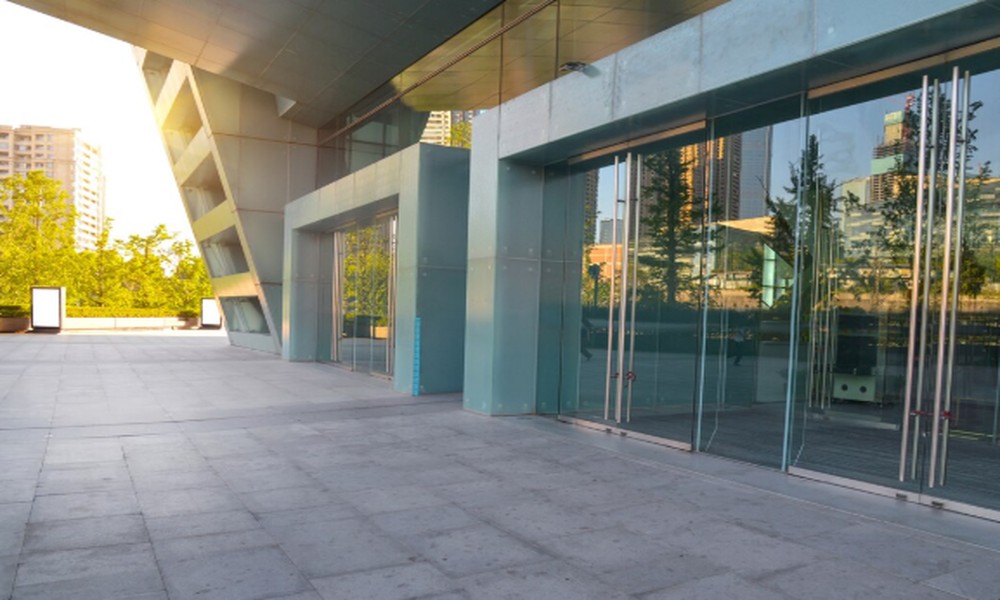
There are particular advantages to each type. In high-traffic areas, automatic doors can enhance accessibility and customer traffic. For high-risk and industrial areas, steel doors are more secure and durable. The opposite side of the scale appears to be glass systems, which provide a welcoming and open look while also providing structural strength.
When selecting a system, it’s important to consider factors such as traffic volume, security needs, and environmental conditions.
Professional Door Installation
Choosing the right door system is only one part of the proper installation; the other is the installation. The best door can’t be the best door if it’s not installed right.
Door installation needs to be aligned, anchored, and connected with locking functions or automation technology. If the installation is not done correctly, problems can arise, such as alignment, air leaks, or wear.
Having a professional work on the job makes sure that the door operates as it should and is safe. It also helps to minimize the possibility of expensive repairs or replacements down the road.
Balancing Security and Accessibility
Striking a balance between security and accessibility is one of the main issues in commercial spaces. The doors should be able to keep the property secure whilst at the same time being easily accessible to those who have permission.
Convenience does not have to compromise security with access control devices like keycards or digital locks. Automatic doors can enhance public access for businesses without compromising their entry points. Evaluating how people interact with the space on a daily basis can help guide these decisions.
Energy Efficiency
Doors have a function in maintaining the internal temperature and also in minimizing energy expenses. Leaky or old systems can leak air and lead to higher heating and cooling costs.
Common features of modern door systems that help them operate efficiently include insulated cores or tight-sealing systems. These might be more expensive initially, but can be a big hit in the long run.